Preliminary Beekeeping Course
-
Introduced to Beekeeping and the Organisations involved.
Know about the Irish Beekeeping Association and Beekeeping Insurance.
Name the parts of a modem beehive and their function.
Know the concept of bee space and is significance in the modern hive.
Know about Wax Foundation and the reasons for its use
Aware of the various spacing of combs in the brood chamber and super for both foundation and drawn comb.
Have an appreciation of wax production by the worker bee and the use of this wax in the hive.
State of the use of the queen excluder.
Know the Personal and other equipment necessary for Beekeeping and the impact of Honeybee sting.
Source the equipment and a colony of bees to start Beekeeping.
Know the costs involved in starting Beekeeping.
-
Identify members of the three castes.
Give an elementary description of the function of the members of each caste in the life of the colony
State the importance of the Bee Lifecycle in Beekeeping
Know the Lifecycle of the Bee, Eggs, Larva, Pupa, Capped Larva to Adult Bee
Know the durations involved in the Bee Lifecycle of the different castes of bees
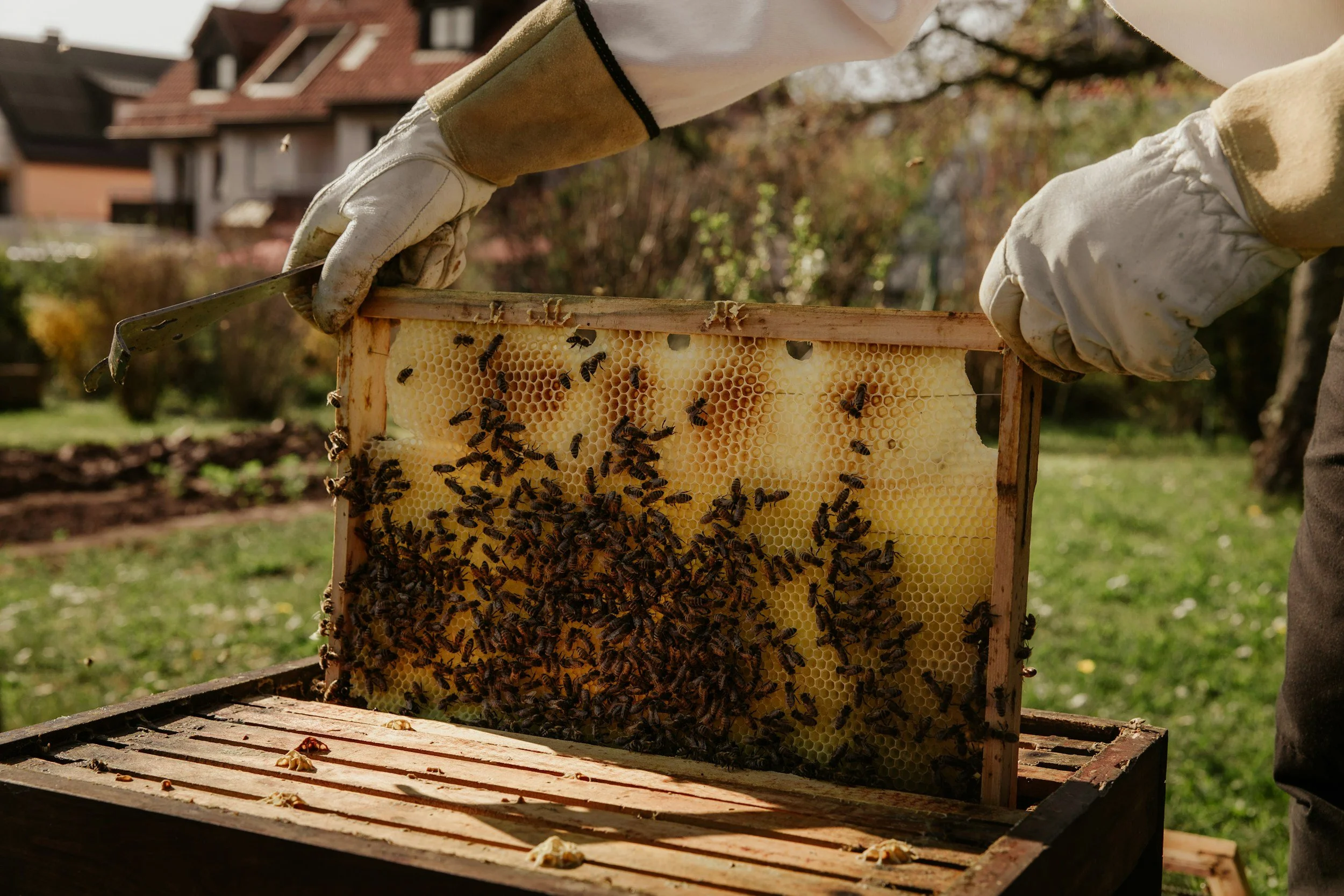
Identify brood in all stages: Worker, Drone and Queen cells and include Queen Cups
Know the difference between Drone, Worker and Honey cappings
Give an elementary account of the production of Queens, workers and drones in the honeybee colony and the cell patterns of each type
Read the hive from an examination of eggs, larval age and cappings to estimate when the queen was last present
Describe the mating system and process of the honeybee
Aware of the conditions of “Queenlessness”
Give an elementary description of the way in which the colony passes the Winter period
-
Know the need for care & attention when handling or disturbing a colony of honeybees
Know and understand the reactions of honeybees to smoke
Know how to open a colony of honeybees and keep the colony under control
Know the use of water spray as an alternative to smoke
Know the procedure for opening a hive
Demonstrate the lighting and management of a smoker and the fuels involved
Know some different hive-tools and be able to demonstrate the use of the hive-tool
Decide if the hive temperament is acceptable or should some action be taken
Aware of the dangers of robbing and how robbing can be avoided
Decide if the queen has enough room
Know the different types of brood organisation, IE Brood Vs Brood and a half
-
Aware of the need to add supers the timing and the different methods of doing so.
Identify stored nectar, honey and pollen and decide if there are enough stores.
Describe how and when to feed bees and the preparation of syrup.
Know the techniques of how to locate the Queen in the hive.
Know how to use devices to capture and mark the Queen.
Know the practice of clipping the Queen, its function and how it should be carried out.
Pest Control in Ireland
Describe the pests of Honeybees in Ireland
Describe the Varroa Mite, its impact and its treatment control
Demonstrate the use of a matchstick, how a field test for American Foul Brood could be done
State where a comb sample containing the diseased brood should be sent for testing
Describe and identify European Foul Brood, its impact and its remedy
Describe and identify Chalk Brood, its impact and its remedy
Describe and identify Acerine, its impact and its remedy
Describe and identify Nosema, its impact and its remedy
Determine if larvae in the comb have the proper “C” shape, Colour, and segmentation that healthy larvae exhibit.
-
Give an elementary description and purpose of swarming in a honeybee colony
State the reasons for swarming
Identify the evidence that the colony is preparing to Swarm
State a variety of methods to control swarming
State the pitfalls that can occur when controlling swarming
Describe how to take a honeybee swarm and how to hive it
Know what is a “Bait Hive” or Swarm trap and how to use it to attract and capture a swarm
Generating a new Colony
Split a colony using a variety of methods
Cut out a Queen cell from a frame, incubate it, prepare a nuke and insert a new queen
Create a nuke with eggs or a Queen cell
Requeening
State the reasons for requeening a hive
Describe how a Queenless hive may be requeened
State some methods of Queen rearing
Describe the signs of “Laying Workers” and a drone-laying queen
State some remedies for Laying Workers
State some remedies for a Drone-Laying queen.
Frame structure and Assembly
Assemble a frame and fit it with wax foundation and properly nail the frame
-
Harvesting
Describe the conditions under which we take honey from the colony
Identify the quantity of stores required after harvesting
Identify frames suitable for harvesting, both Capped & Uncapped
Describe the methods used to clear honeybees from supers
5. State the reasons for leaving supplies of honey ion the hive and the options for feeding at this stage Include different types of feeders
Describe the process of extracting honey from supers
Describe the hygienic conditions that must be observed when extracting honey on one’s home
Know the rules for labelling and what information must be on the label for jars of honey
State the uses of Beeswax and Beeswax products
State the method of cleaning and purifying Beeswax
Know the procedure for exchanging recovered wax for new wax foundation
A Year in the Apiary
Give an elementary description of the siting of colonies
Give an elementary description of the Year’s work in the apiary and the management of a colony throughout a season
State the activities that must be carried out for “Over-wintering” of the colony
Know the value of bees to farmers and the natural environment
State the actions the beekeeper should do to prepare for Spring
Wrap-up
Beekeepers Code of Conduct
Questions & Answers
Revision for Basic Beekeepers Exam
Course Evaluation
2 Practical Days in GBKA Apiary
-
Put on Personal Protective Equipment properly
Light the Smoker with fuels provided
Use the smoker to calm the bees before opening the hive
Know some different hive tools and be able to demonstrate the use of the hive tool
Remove the roof and use the hive tool to remove the Crown-Board
Use the hive tool to remove a frame from the Brood Chamber
Know the procedure for allowing space in the brood box in order to remove frames without damaging bees
Stack Supers and the Half-Brood when removed from the hive
Know when it is necessary to add a super to the hive and the different methods for doing so
Able to read the hive from an examination of eggs, larval age & cappings to determine if the queen is present and when she was last there (Queenright)
State the actions you would take if there is no queen present
Check and discuss the laying pattern of the queen
Determine the health of the hive by checking for any pests or diseases
Check the food storage in the hive and identify honey, nectar, pollen & propolis
Locate and identify the Queen if possible and the use of a systematic inspection process
Name the parts of the beehive and their function
Aware of the concept of bee space and its significance in the modern hive
Know what is wax foundation and the reasons for its use
Rebuild the hive
-
Hand on with the bees
Full syllabus
Night 1: Introduction
Introduced to Beekeeping and the Organisations involved.
Know about the Irish Beekeeping Association and Beekeeping Insurance.
Name the parts of a modem beehive and their function.
Know the concept of bee space and is significance in the modern hive.
Know about Wax Foundation and the reasons for its use
Aware of the various spacing of combs in the brood chamber and super for both foundation and drawn comb.
Have an appreciation of wax production by the worker bee and the use of this wax in the hive.
State of the use of the queen excluder.
Know the Personal and other equipment necessary for Beekeeping and the impact of Honeybee sting.
Source the equipment and a colony of bees to start Beekeeping.
Know the costs involved in starting Beekeeping.
Night 2: Life Cycle of the Bee
Identify members of the three castes.
Give an elementary description of the function of the members of each caste in the life of the colony
State the importance of the Bee Lifecycle in Beekeeping
Know the Lifecycle of the Bee, Eggs, Larva, Pupa, Capped Larva to Adult Bee
Know the durations involved in the Bee Lifecycle of the different castes of bees
Identify brood in all stages: Worker, Drone and Queen cells and include Queen Cups
Know the difference between Drone, Worker and Honey cappings
Give an elementary account of the production of Queens, workers and drones in the honeybee colony and the cell patterns of each type
Read the hive from an examination of eggs, larval age and cappings to estimate when the queen was last present
Describe the mating system and process of the honeybee
Aware of the conditions of “Queenlessness”
Give an elementary description of the way in which the colony passes the Winter period
Products of the hive
Give a simple description of nectar, pollen and describe how it id collected and brought back to the hive
Name the main local flora from which honeybees collect pollen and nectar
Give a simple explanation how nectar is converted into honey
Know the use of nectar and honey in the life of the colony
Aware of the collection of water and its uses in the colony
Give a simple description of the collection of pollen and its importance in the life of the colony and also its importance in our lives
Describe the origins, collection and use of propolis in the honeybee colony
Night 3: Practical Beekeeping
Know the need for care & attention when handling or disturbing a colony of honeybees
Know and understand the reactions of honeybees to smoke
Know how to open a colony of honeybees and keep the colony under control
Know the use of water spray as an alternative to smoke
Know the procedure for opening a hive
Demonstrate the lighting and management of a smoker and the fuels involved
Know some different hive-tools and be able to demonstrate the use of the hive-tool
Decide if the hive temperament is acceptable or should some action be taken
Aware of the dangers of robbing and how robbing can be avoided
Decide if the queen has enough room
Know the different types of brood organisation, IE Brood Vs Brood and a half
Night 4: Practical Beekeeping continued
Aware of the need to add supers the timing and the different methods of doing so.
Identify stored nectar, honey and pollen and decide if there are enough stores.
Describe how and when to feed bees and the preparation of syrup.
Know the techniques of how to locate the Queen in the hive.
Know how to use devices to capture and mark the Queen.
Know the practice of clipping the Queen, its function and how it should be carried out.
Honeybee Pests and Pest Control in Ireland
Describe the pests of Honeybees in Ireland
Describe the Varroa Mite, its impact and its treatment control
Demonstrate the use of a matchstick, how a field test for American Foul Brood could be done
State where a comb sample containing the diseased brood should be sent for testing
Describe and identify European Foul Brood, its impact and its remedy
Describe and identify Chalk Brood, its impact and its remedy
Describe and identify Acerine, its impact and its remedy
Describe and identify Nosema, its impact and its remedy
Determine if larvae in the comb have the proper “C” shape, Colour, and segmentation that healthy larvae exhibit
Night 5: Swarming
Give an elementary description and purpose of swarming in a honeybee colony
State the reasons for swarming
Identify the evidence that the colony is preparing to Swarm
State a variety of methods to control swarming
State the pitfalls that can occur when controlling swarming
Describe how to take a honeybee swarm and how to hive it
Know what is a “Bait Hive” or Swarm trap and how to use it to attract and capture a swarm
Generating a new Colony
Split a colony using a variety of methods
Cut out a Queen cell from a frame, incubate it, prepare a nuke and insert a new queen
Create a nuke with eggs or a Queen cell
Requeening
State the reasons for requeening a hive
Describe how a Queenless hive may be requeened
State some methods of Queen rearing
Describe the signs of “Laying Workers” and a drone-laying queen
State some remedies for Laying Workers
State some remedies for a Drone-Laying queen
Frame structure and Assembly
Assemble a frame and fit it with wax foundation and properly nail the frame
Night 6: Harvesting
Describe the conditions under which we take honey from the colony
Identify the quantity of stores required after harvesting
Identify frames suitable for harvesting, both Capped & Uncapped
Describe the methods used to clear honeybees from supers
State the reasons for leaving supplies of honey ion the hive and the options for feeding at this stage Include different types of feeders
Describe the process of extracting honey from supers
Describe the hygienic conditions that must be observed when extracting honey on one’s home
Know the rules for labelling and what information must be on the label for jars of honey
State the uses of Beeswax and Beeswax products
State the method of cleaning and purifying Beeswax
Know the procedure for exchanging recovered wax for new wax foundation
A Year in the Apiary
Give an elementary description of the siting of colonies
Give an elementary description of the Year’s work in the apiary and the management of a colony throughout a season
State the activities that must be carried out for “Over-wintering” of the colony
Know the value of bees to farmers and the natural environment
State the actions the beekeeper should do to prepare for Spring
Wrap-up
Beekeepers Code of Conduct
Questions & Answers
Revision for Basic Beekeepers Exam
Course Evaluation
DAY 7: Practical in the Association Apiary

1st Hands-on day with the bees
Put on Personal Protective Equipment properly
Light the Smoker with fuels provided
Use the smoker to calm the bees before opening the hive
Know some different hive tools and be able to demonstrate the use of the hive tool
Remove the roof and use the hive tool to remove the Crown-Board
Use the hive tool to remove a frame from the Brood Chamber
Know the procedure for allowing space in the brood box in order to remove frames without damaging bees
Stack Supers and the Half-Brood when removed from the hive
Know when it is necessary to add a super to the hive and the different methods for doing so
Able to read the hive from an examination of eggs, larval age & cappings to determine if the queen is present and when she was last there (Queenright)
State the actions you would take if there is no queen present
Check and discuss the laying pattern of the queen
Determine the health of the hive by checking for any pests or diseases
Check the food storage in the hive and identify honey, nectar, pollen & propolis
Locate and identify the Queen if possible and the use of a systematic inspection process
Name the parts of the beehive and their function
Aware of the concept of bee space and its significance in the modern hive
Know what is wax foundation and the reasons for its use
Rebuild the hive
Day 8
2nd practice day in the GBKA Apiary
Hands-on day with the bees