
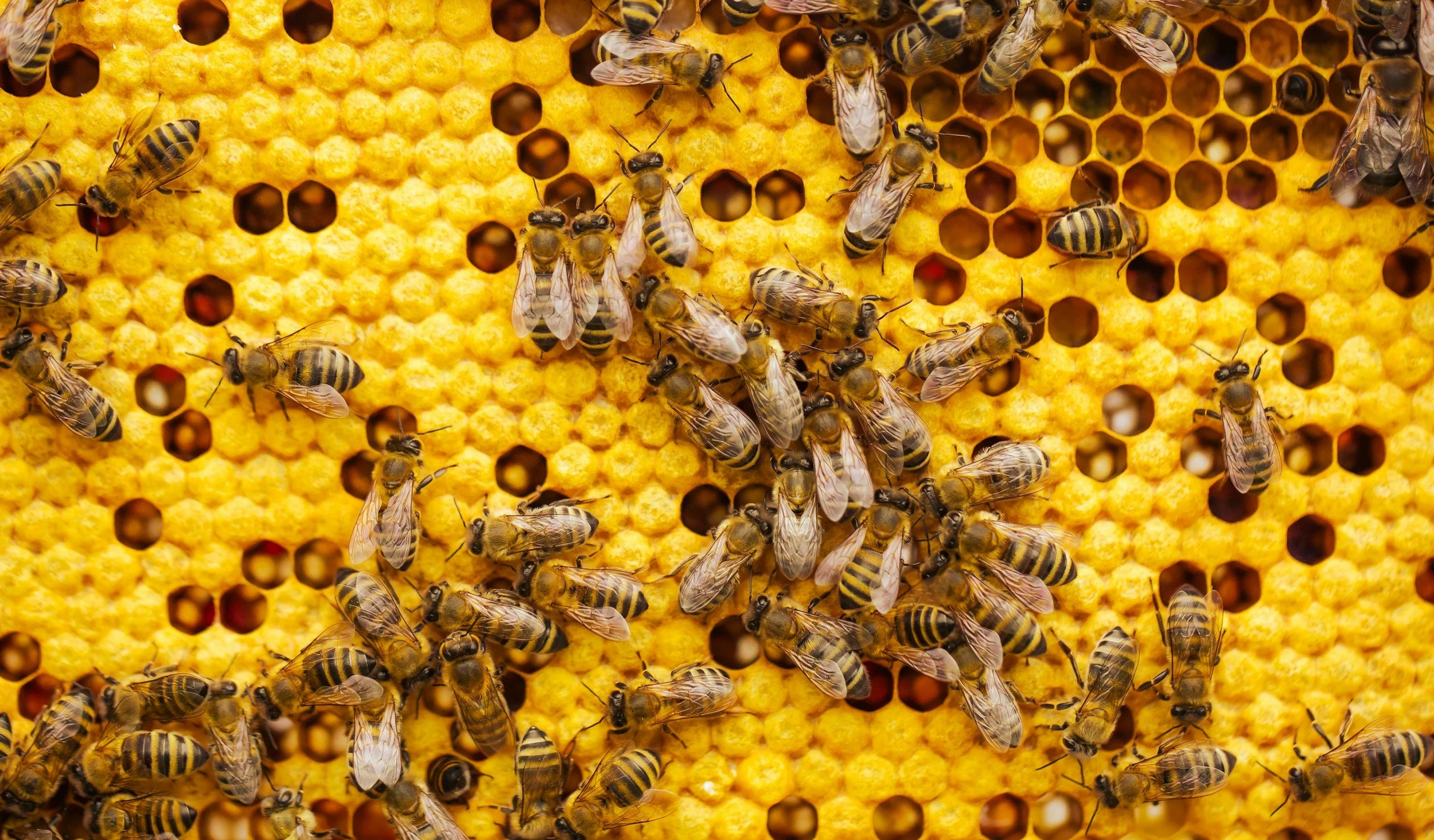
The worker
The worker is a female bee. She is shorter than the queen, about 20mm in length. Her ovaries are not developed therefore in normal circumstances she cannot lay eggs. Workers do all the work in the hive. Their stage of development determines what area of work they do!
New Worker Bee Jobs (0-4 Days Old)
Worker bees leave their capped cells by gnawing through the wax capping. They start by cleaning their cells in preparation for a new egg. Once complete, they spend the first few days as a housekeeping bee. This involves finding empty cells and cleaning them thoroughly. Otherwise, the queen will skip the cell and move to another.
Nurse Bee Jobs (4-10 Days Old)
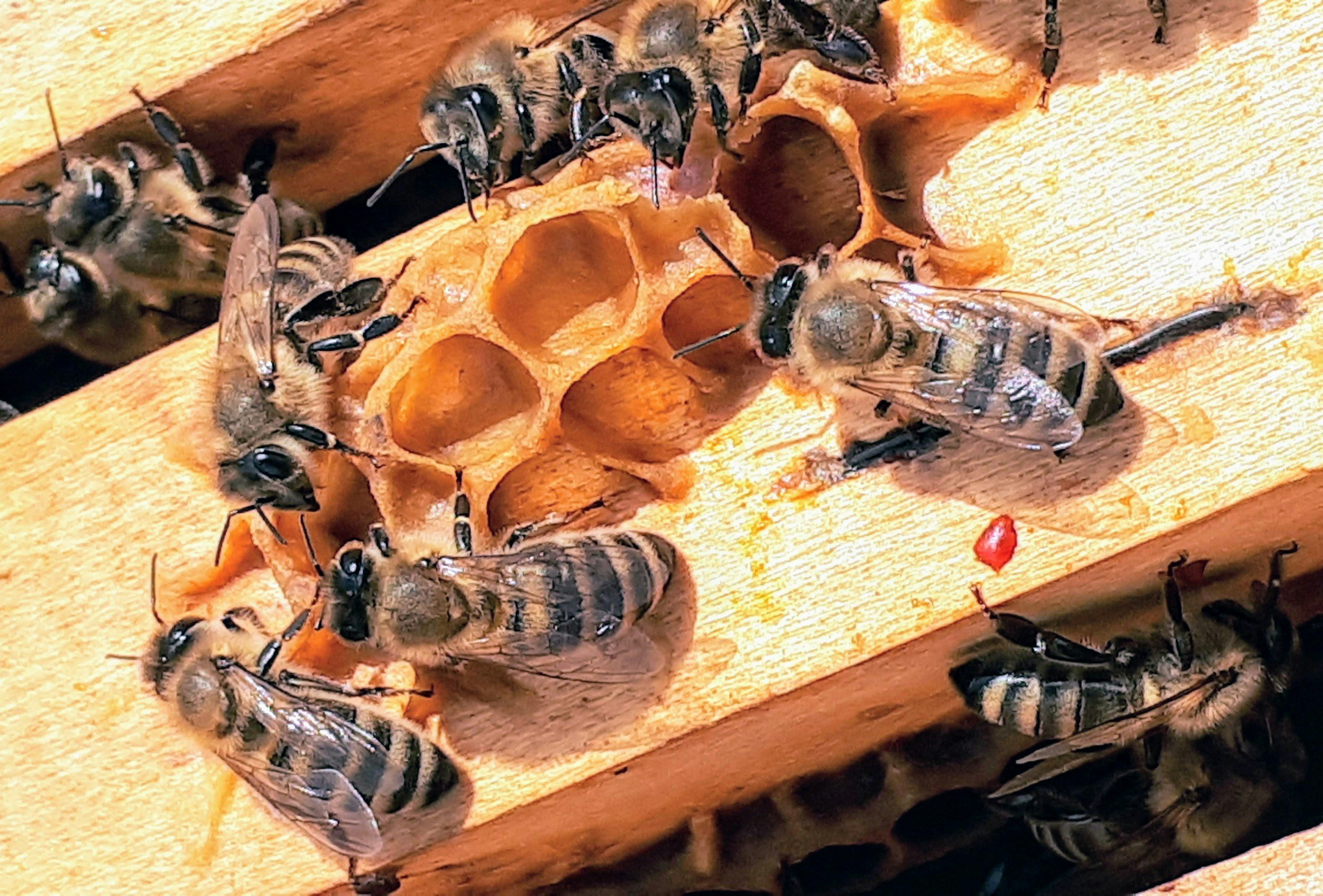
At four to ten days old, they take on a crucial role within the colony, providing essential care for their younger siblings in the brood nest. They are responsible for feeding and grooming them and take on the crucial role of feeding and grooming the queen bee.
Caring for Larvae and Pupae (5-10 days old)
As nurse bees enter their 5-10 day phase, they take on an incredibly important role: caring for larvae and pupae. These young worker bees are responsible for feeding, grooming, and nurturing the next generation of honeybees. Nurse bees tend to the brood cells in the hive’s brood nest, where they lay a layer of wax and store food for the developing bees. Nurse bees also monitor temperature and humidity levels within the brood nest to maintain an optimal environment for growth. By providing ideal conditions and proper nutrition, nurse bees play a vital role in shaping the future of their colony.
House Bee Jobs (10-16 Days Old)
At around 10-16 days old, worker bees take on crucial roles within the colony as they transition from foraging to housekeeping duties. One of their key jobs is cleaning cells, which involves removing debris and leftover food particles that might be present after a brood has emerged or been fed. This task ensures that cells are hygienic and ready for new eggs to be laid. In addition to cell cleaning, these worker bees also receive honey from returning foragers. They carefully collect nectar-rich pollen baskets and transfer the precious liquid into storage cells within the hive. It’s not just a matter of pouring in the honey; house bees must ensure that each cell is properly filled to prevent air pockets and maintain the desired moisture level. To manage this process efficiently, house bees work together to divide their responsibilities among themselves. Some focus on cleaning, while others prioritize receiving and storing honey. This division of labour not only saves time but also reduces the risk of contamination or damage to stored food. Maintaining colony hygiene is a vital task. House bees are specifically responsible for removing dead bees and other debris from the hive. Imagine if you were to walk into your home and find trash scattered all over the floor – it wouldn’t be pleasant, right? Similarly, a hive filled with dead bees and debris can become a breeding ground for bacteria and diseases. To prevent this, house bees work diligently to clean up after themselves and their fellow workers. They use their mandibles to pick up and remove any dead bees or other unwanted materials from the hive.
Forager Bee Jobs (16+ Days Old)
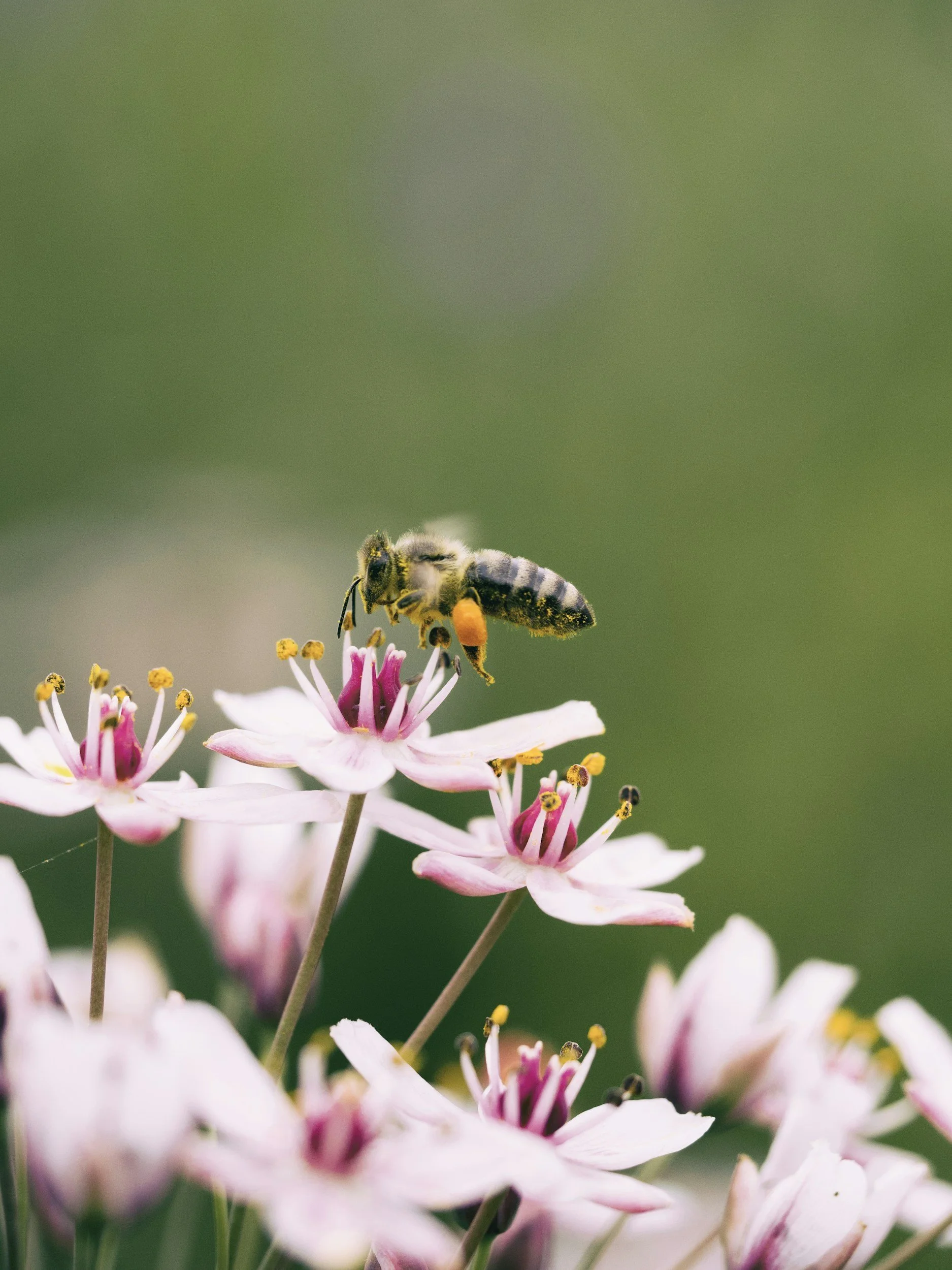
As forager bees mature past 16 days old, they become crucial to their colony’s survival by taking on the vital role of nectar collection. This job requires them to travel long distances, often up to 6 miles or more, in search of blooming flowers that provide the necessary nectar and pollen. Their extensive travels not only require endurance but also an incredible sense of navigation. Forager bees use a combination of celestial cues, visual landmarks, and even pheromone trails laid down by their fellow foragers to guide them back to the hive. Upon locating a suitable flower, they employ their long, tube-shaped tongue to gather nectar before returning home. The importance of forager bees cannot be overstated, as they not only provide sustenance for the colony but also contribute significantly to its growth and expansion. Without these diligent foragers, a colony’s ability to thrive would be severely impaired.
Guard Bee Jobs (16+ Days Old)
Guard bees play a crucial role in protecting the colony entrance from potential threats. As one of the most experienced worker bees, aged 16+ days old, guard bees are stationed at the entrance of the hive to defend against predators, intruders, and diseases. Their primary responsibility is to check every bee that wants to enter or leave the hive, ensuring that only familiar faces get through. Guard bees use their highly developed sense of smell to detect any potential threats, including chemicals released by predators or diseases. They also employ a unique “dance” to communicate with other guard bees about potential threats. To prevent intruders from entering the hive, guard bees will often attack them using their stingers. However, they are not aggressive towards familiar faces and will allow them to pass through. This remarkable ability requires excellent communication skills between guard bees, making it essential for a strong colony defense system. Guard bees are responsible for maintaining the ideal temperature within the hive. They achieve this by regulating the entrance to the hive, allowing or denying entry based on environmental conditions. For instance, during hot summer days, guard bees may block the entrance to prevent overheating, while in cooler temperatures, they may open it wider to allow for a steady influx of warm air. In addition to temperature regulation, guard bees also monitor and control humidity levels within the hive. They do this by fanning their wings to circulate air and facilitate evaporation of excess moisture. This is essential, as high humidity can lead to fungal growth and disease among the brood.
Preparing for Death and Replacement
As worker bees approach their final days, they undergo a remarkable transformation to ensure the colony’s survival. Their age and experience make them aware that their time is limited, but they continue to work tirelessly for the good of the colony. One crucial task they focus on during this period is cleaning cells in preparation for new brood. They meticulously remove debris, repair damaged areas, and sanitize the space to create a healthy environment for the upcoming larvae. Eventually, as their bodies weaken, these dedicated workers sacrifice themselves to maintain the colony’s health. By doing so, they prevent disease and parasites from spreading through the colony, allowing younger bees to take over their duties without interruption. This selfless act is a testament to the worker bee’s unwavering dedication to the colony’s survival.